Why Massage Therapy Benefits Should Belong in Your 2026 Routine

When grinding through long workdays and meeting constant deadlines, burnout isn't just a mental state; it's also a physical one. As responsibilities pile up, the weight on your shoulders can quickly become actual physical tension, leading to emotional fatigue and lower energy levels that make it hard to focus.
That’s where massage therapy comes in. It’s no longer just a luxury spa day treat; it's a practical, research‑supported way to reduce stress, support recovery, and restore balance.
And when combined with complementary care, we're attacking the problem from two angles: addressing soft-tissue guarding and addressing structural alignment. Together, they improve mobility and relieve tension that's been building up for months.
In this blog, we’ll explore massage therapy benefits, the types of massage best suited to your needs, how to incorporate massage into a busy lifestyle, and when to seek additional support.
Understanding Burnout and Why Early Intervention Matters
Burnout is more than just a case of feeling tired or needing a long weekend. It’s a legitimate state of emotional, physical, and mental exhaustion caused by prolonged or repeated stress.
Even the World Health Organization officially classifies it as an occupational phenomenon, recognizing how it fundamentally changes how you perform and process stress.
Common signs of burnout include:
- Irritability: Feeling easily agitated or emotionally drained.
- Low motivation: A lack of drive to complete daily tasks or pursue goals.
- Poor focus: Struggling to concentrate or stay productive.
- Muscle tension: Persistent tightness in the neck, shoulders, or back.
- Headaches: Stress-induced tension or migraines.
- Sleep issues: Difficulty falling asleep or staying rested.
Early intervention is crucial. If left unaddressed, burnout can increase the risk of developing clinical depression, making it essential to take symptoms seriously rather than just trying to power through them.
Seek guidance from a qualified medical professional to get an accurate diagnosis and personalized care for your specific physiological needs.
How Massage Therapy Benefits Stress and Burnout
The perks of massage don’t stop with just a feel-good experience. It also delivers measurable physical and emotional benefits that directly counteract the damage caused by burnout, supporting recovery and stress management.
Let’s break down exactly what’s happening beneath the surface.
Reduces Stress Hormones and Physical Tension
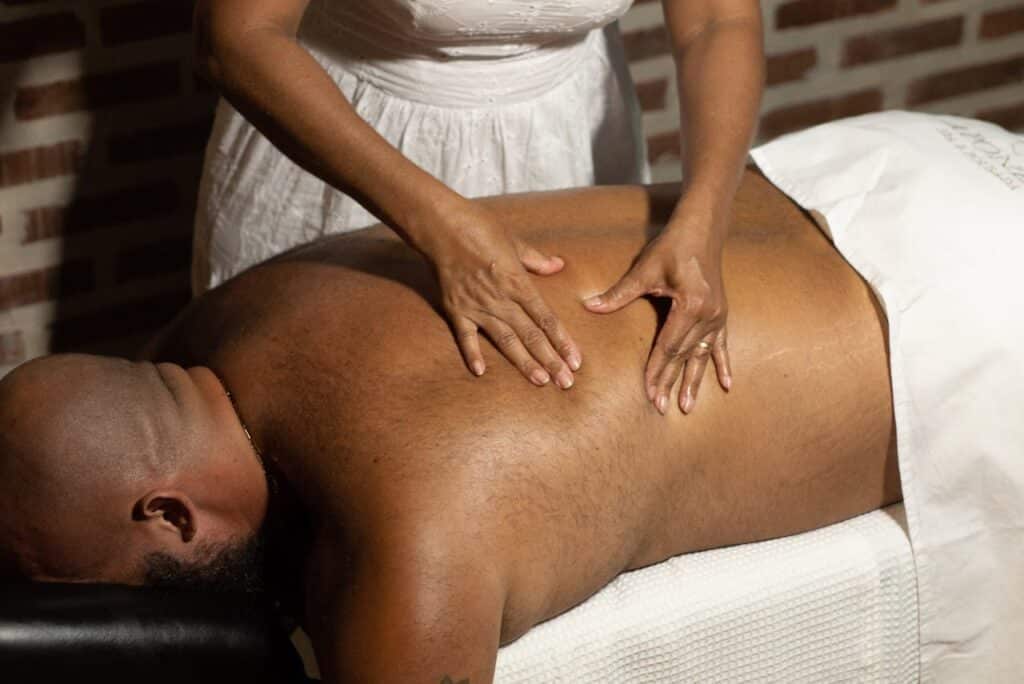
Massage therapy has been shown to lower cortisol levels, the body’s main stress hormone. By calming the nervous system, it effectively reduces muscle tightness and those nagging postural aches that come from sitting at a desk all day.
The data backs this up, too. According to the American Massage Therapy Association, about 62% of individuals received massage for health and wellness reasons. We see this in the clinic every day: most common concerns are soreness, stiffness, or muscle spasms (35%), followed by chronic pain relief and management (20%).
These findings highlight how essential massage therapy has become for maintaining both comfort and physical function in daily life.
Supports Mental Health and Emotional Balance
Massage therapy acts as a powerful regulator for your brain chemistry. It’s proven to boost serotonin and dopamine, the “feel-good” neurotransmitters that regulate mood. Through regular sessions, the benefits of massage therapy for mental health include reduced anxiety, eased tension, and a deeper sense of calm and grounding.
In fact, 59% of people now use massage specifically for relaxation and stress reduction, and even more telling is that 48% do so for mental health support. These AMA statistics reinforce how massage therapy for burnout significantly helps in managing burnout and building the emotional resilience you need to handle a modern workload.
Improves Sleep and Recovery
One of the most overlooked massage therapy benefits is enhanced sleep quality. By systematically lowering stress hormones, easing pain, and calming the mind, this technique helps transition your brain from a state of high alert into a restorative mode.
When you achieve deeper REM cycles, your body can finally get to work on cognitive clarity, emotional regulation, and tissue repair.
Whether you're recovering from exhaustion or trying to stay sharp during busy seasons, regular massage sessions can be a valuable tool for reclaiming deep, restful sleep.
Types of Massage and How They Support Wellness
Different types of massage target different needs, from full-body relaxation to deep muscular relief. Choosing the right one depends on your goals, stress level, and comfort.
Swedish Massage
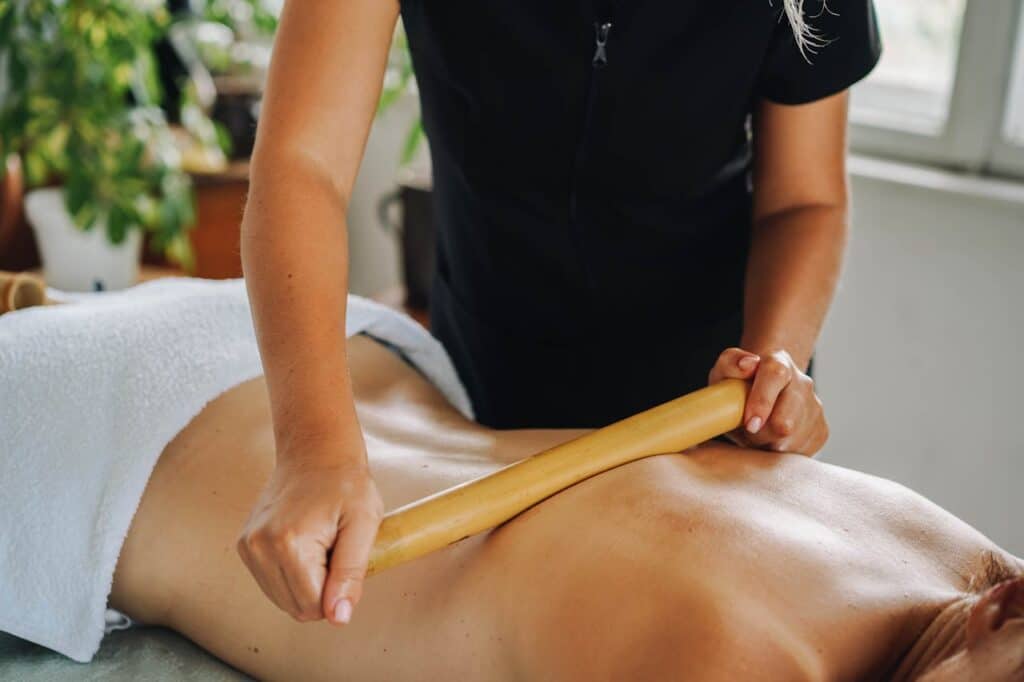
Swedish massage is the gold standard for general relaxation. Using long, flowing strokes with gentle pressure, it helps calm the body and release the muscle guarding that builds up when you’re under constant pressure.
This approach encourages circulation and gently lowers the body’s stress response, acting as an excellent entry point for those new to bodywork, seeking calm and light relief, or anyone feeling emotionally overloaded.
Therapeutic Massage
Therapeutic massage zeroes in on the specific muscle groups and tension areas that bear the brunt of your daily grind. It uses moderate to firm pressure, often incorporating trigger point therapy and assisted stretching to release stubborn knots that just won’t quit.
This style effectively addresses the desk-jockey posture, which is chronic stress-related tightness in the neck, shoulders, and lower back that usually goes hand-in-hand with burnout. This is the targeted approach you need to break that cycle of tension.
Deep Tissue Massage
Deep tissue massage reaches the deeper muscle layers and the connective tissue that surrounds them. Therapists use slower, much more deliberate strokes and intense pressure to release long-standing knots and adhesions embedded in your body.
It’s especially beneficial for people with physically demanding jobs or anyone living in high-stress environments. If you feel like tension is buried deep under the surface, this approach gets in there to finally release it.
Chair Massage
Practitioners typically perform chair massages while you remain fully clothed and seated in a specialized chair that leans you forward, giving them direct access to your upper back, shoulders, neck, and arms. At only 10–30 minutes, sessions are the perfect reset for professionals needing relief without pausing work for long.
Not sure which massage technique suits you best? A licensed massage therapist can assess your needs and recommend the most appropriate approach to support your wellness goals.
Incorporating Massage Therapy Into a Busy 2026 Routine
Massage doesn’t have to be a luxury. With a little planning, it can become a regular part of your wellness routine this year. Here’s how.
Choose Consistency Over Intensity
Regular massage sessions, tailored to your needs and your therapist’s advice, are often more effective than occasional, lengthy treatments. A consistent routine helps manage stress, reduces muscle tension, and promotes wellness without overloading your schedule.
Combine With Other Self-Care Practices
Massage therapy works best when integrated with healthy habits like regular exercise, hydration, quality sleep, and mindfulness. This combination supports physical recovery and emotional resilience, making your wellness routine more well-rounded and sustainable.
Workplace and On-Site Massage Trends
Companies now provide on-site chair massages or wellness programs to promote employee mental health and productivity. A brief session can reduce muscle fatigue, improve focus, and help prevent burnout.
When to Seek Additional Support
Massage therapy supports overall well-being but should not replace medical or mental health care. It’s best to seek professional help if:

- Coping strategies are no longer effective
- You experience persistent exhaustion that doesn't improve with rest
- Stress begins to manifest as physical symptoms such as ongoing pain, headaches, or disrupted sleep
It’s essential to contact a doctor or mental health professional if you notice signs of clinical depression, including:
- Low self-esteem
- Persistent feelings of hopelessness
- Suicidal thoughts
Early evaluation and proper care can make a significant difference in your recovery and long-term well-being.
Frequently Asked Questions (FAQs)
How quickly can I notice the benefits of massage therapy?
Are there any risks or side effects of massage therapy?
Can massage therapy help prevent burnout before it starts?
Is it better to get a longer session or more frequent shorter sessions?
Can massage therapy improve focus and productivity at work?
Harnessing Massage Therapy Benefits for Burnout Recovery
If you find yourself wondering, “Does massage help with stress and burnout?” The answer is a definitive yes. Massage therapy benefits extend far beyond immediate relaxation; they help regulate your nervous system so you don’t get stuck in constant overdrive.
By making massage a regular part of your wellness routine, you give your body and mind the chance to reset, heal, and thrive. At Core Health Spine & Rehabilitation, we offer professional massage therapy in The Woodlands as a core component of our integrated care model.
Schedule your consultation today, and let’s make 2026 the year you choose to let go of chronic tension and embrace steady clarity and care.