Nonsurgical Scoliosis Management for Healthy Spine Development
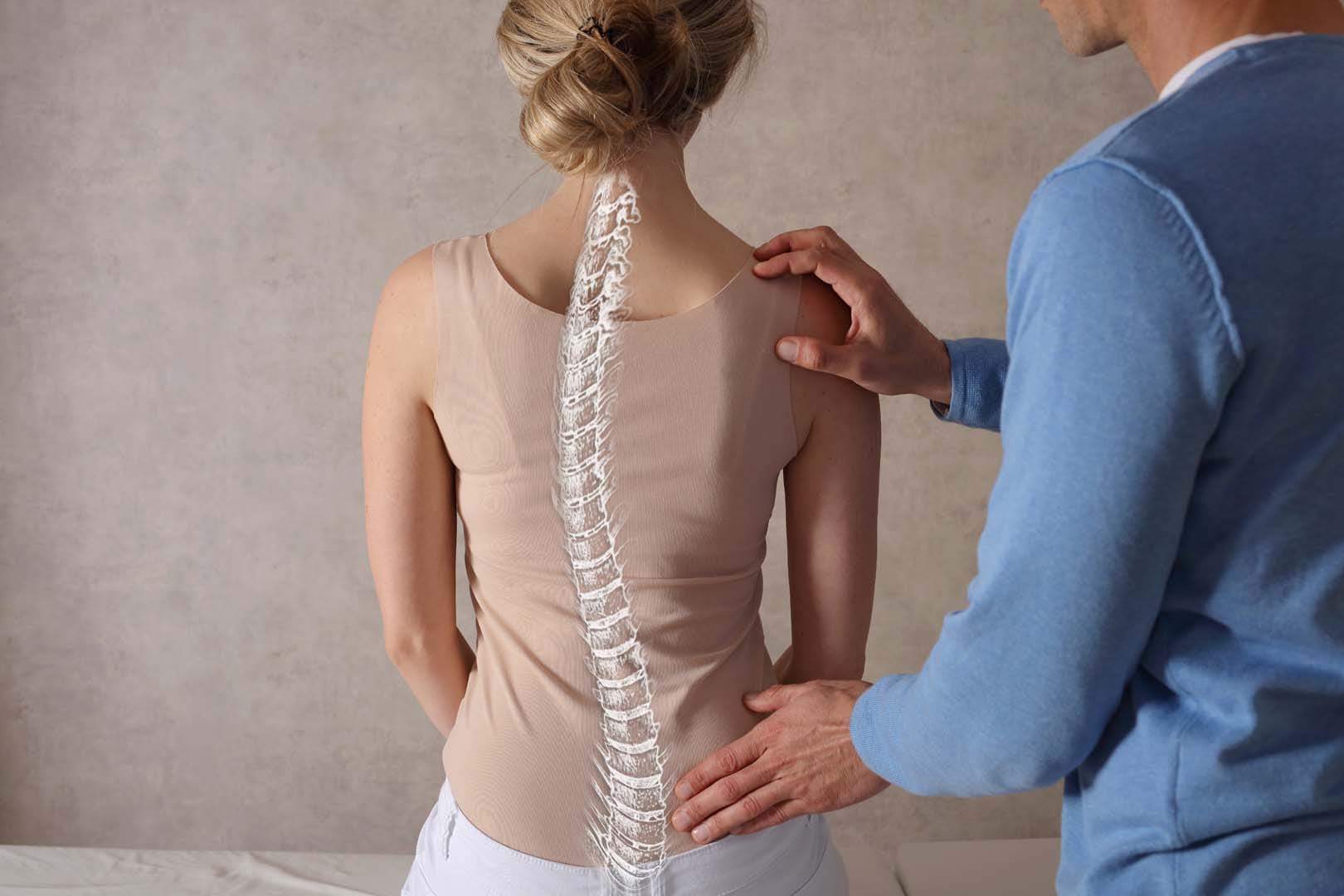
When you first notice a slight tilt in your child’s shoulders or an unevenness in their waist, it’s natural to worry about their future mobility. Many parents assume that a scoliosis diagnosis means surgery is inevitable, creating a stressful environment during an important stage of growth.
In reality, surgery is rarely the only path forward. Most cases are treated with nonsurgical scoliosis management that focuses on improving spinal alignment and supporting healthy development.
By addressing the curve with tailored, patient-friendly treatments now, you can support your child’s growth and ensure the condition doesn’t limit their activity in the years ahead.
Understanding Scoliosis in Children and Teens
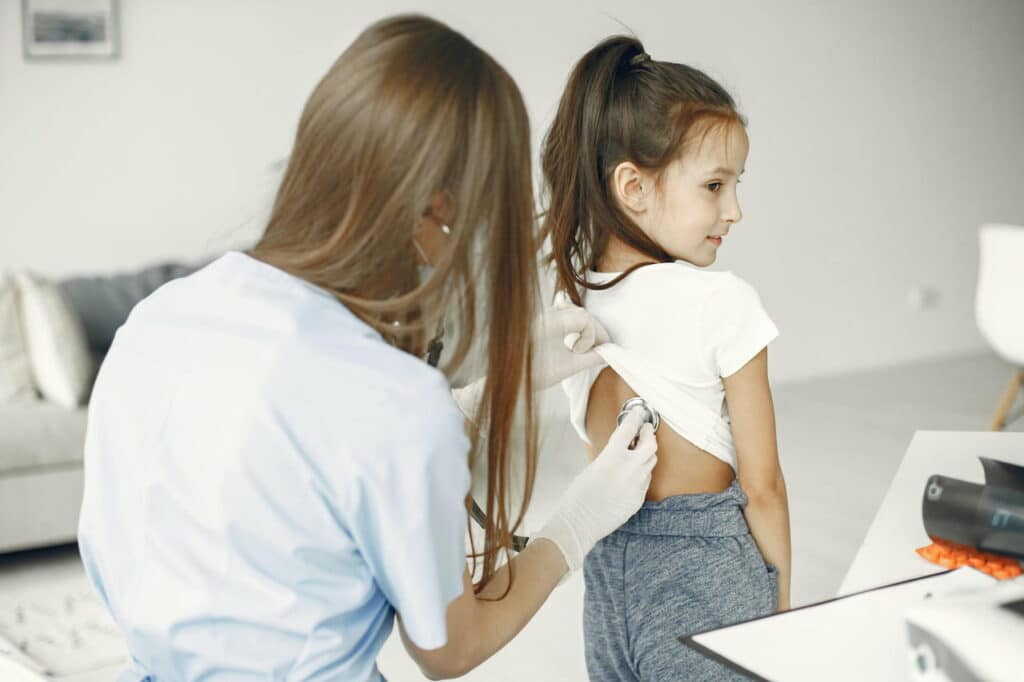
Scoliosis is a condition in which the spine curves sideways by at least 10°, often forming a “C” or “S” shape. While every case is unique, most fall into one of three main categories:
- Idiopathic Scoliosis: Accounting for 80% of all cases, this type has no singular known cause and often emerges during growth phases.
- Congenital Scoliosis: This happens when a child’s spine does not form properly before birth.
- Neuromuscular Scoliosis: This type develops as a secondary effect of neurological or muscular conditions, such as cerebral palsy.
Risk Factors and Progression
For many children, scoliosis during the growth years tends to remain stable, especially after their bones mature. However, some curves can progress during puberty, requiring targeted pediatric scoliosis treatment.
Several clinical factors can affect when scoliosis starts and how the curve changes, including:
- Age at Diagnosis: Scoliosis is most commonly identified during early adolescence.
- Biological Sex: Statistics show that scoliosis in girls is eight times more likely to progress to a point requiring clinical intervention.
- Growth Velocity: Rapid growth spurts during puberty often trigger more significant changes in the spine.
The Cobb Angle for Measuring Severity and Treatment
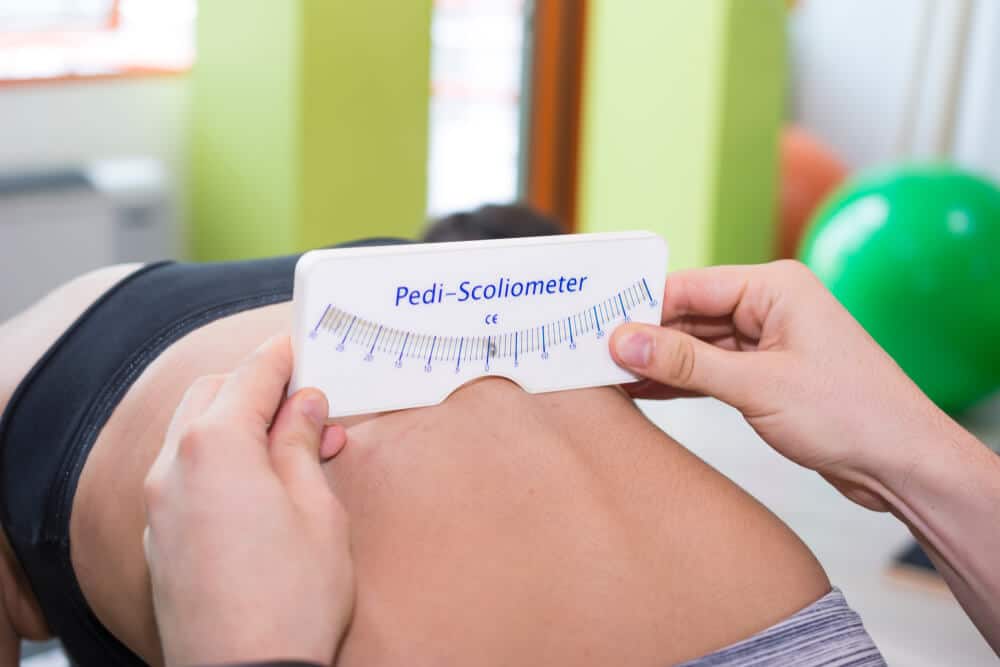
Doctors measure the severity of scoliosis using the “Cobb angle,” which shows how much the spine curves.
- A curve of 10° is the minimum needed for a scoliosis diagnosis.
- Curves between 15° and 20° are usually monitored with regular checkups, and some children may benefit from scoliosis-specific physical rehabilitation.
- Curves between 20° and 40° usually require a scoliosis brace to prevent worsening, and intensive rehabilitation programs may also be advised.
- A curve greater than 40° is considered severe and may require surgery, such as spinal fusion, if the curve continues to progress.
Lastly, doctors evaluate how much a child has left to grow. The greater the remaining growth, the higher the risk of progression, underscoring the importance of early, proactive treatment.
Nonsurgical Treatment Options
Nonsurgical scoliosis management aims to guide the spine’s growth, slow curve progression, and minimize discomfort, all while avoiding the inherent risks of invasive procedures.
Bracing
Bracing is a standard treatment for moderate adolescent scoliosis care. Braces don’t straighten the spine, but they apply steady pressure to keep the curve from worsening. Doctors may prescribe different types of braces, including:
- Boston: It’s made from a prefabricated mold, with pads added to fit each patient.
- Wilmington: This is custom-made from a cast of the patient’s body and fits like a snug jacket.
- Charleston: This brace is worn at night while lying down. Designed primarily for single curves, it gently bends the spine in the opposite direction.
- Providence: Also worn at night, best for smaller, flexible curves. It applies side and rotational pressure to the spinal curve.
It’s crucial to wear braces as directed for them to work well. Regular checkups help make sure the brace fits and supports your child as needed. If not, your doctor can make adjustments.
Physical Rehabilitation and Exercise
Targeted exercise programs are fundamental to scoliosis treatment without surgery. Rather than general fitness, these programs focus on developing the specific muscle groups required to help stabilize the spine and keep it aligned.
Two common approaches include:
- The Schroth Method: This approach uses posture-correction techniques, breathing exercises, and unilateral muscle training to prevent scoliosis from progressing.
- Scientific Exercises Approach to Scoliosis (SEAS): This program teaches active self-correction. It trains the child to recognize their postural deviations and adopt better movement habits to reduce the impact of scoliosis on daily life.
Chiropractic Care
Chiropractic care is often used as a safe, supportive treatment for scoliosis in children and teens. While adjustments are not a replacement for standard procedures like bracing or surgery, they play a specific role in managing the secondary effects of a spinal curve.
Gentle adjustments can be effective for reducing joint stiffness and easing the chronic muscle tension that commonly accompanies scoliosis. This treatment can considerably improve your child's comfort during daily physical activity by enhancing localized posture and fluid mobility.
To ensure this approach is properly integrated into your child’s broader care plan, it is essential to coordinate chiropractic care with their primary scoliosis specialist.
Other Supportive Therapies
Supportive therapies can help children with scoliosis feel more comfortable, stay flexible, and move more easily in their daily lives. These methods may relax tight muscles, encourage healthy movement, and improve overall comfort. A healthcare provider will guide these therapies, and they are always used alongside regular medical care and check‑ups.
These complementary approaches ease daily discomfort and improve mobility, though they work best when used alongside medical monitoring and primary treatments recommended by your child’s healthcare provider.
When to Consider Surgery (and Why Nonsurgical Approaches Are Often Preferred First)
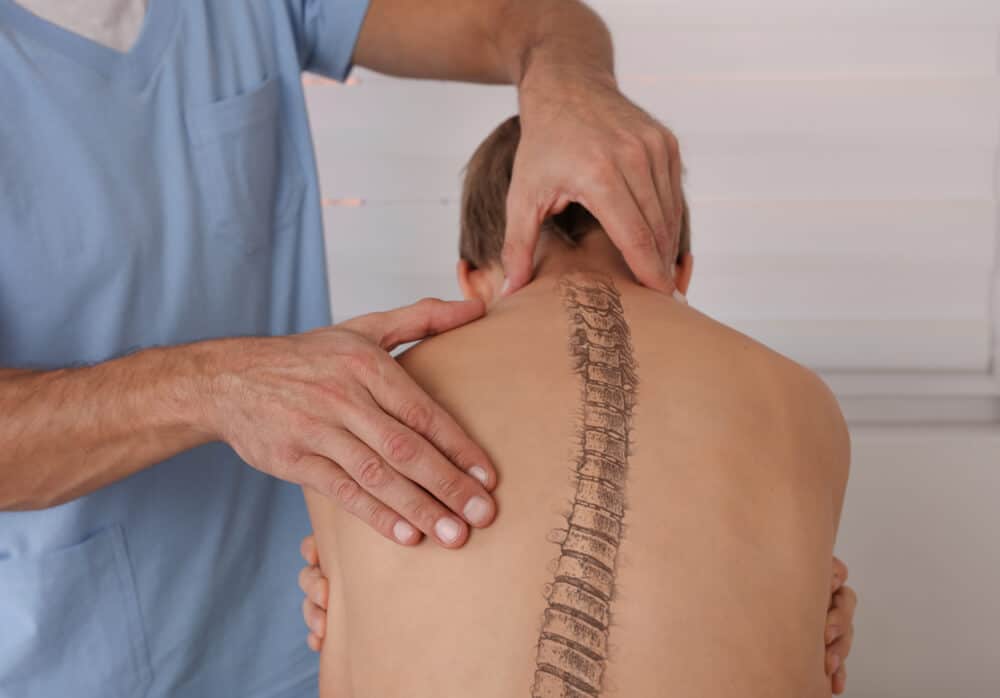
While surgery is an important option for severe scoliosis, it’s not necessary for most children diagnosed with mild to moderate scoliosis.
Doctors usually consider surgery only when the curve reaches about 45–50° in growing children, or if scoliosis is progressing quickly, affecting breathing, or causing significant pain. These situations require quick action, though most families can succeed by starting with less invasive methods.
Nonsurgical approaches are preferred first because they are safer and often effective at managing scoliosis. Bracing is the primary method for preventing curve progression in children, while exercise and posture correction help improve flexibility and comfort.
With early monitoring and supportive care, many children can avoid surgery altogether.
Practical Tips for Protecting Your Child’s Growing Spine
Simple, steady habits at home can help manage your child’s scoliosis and ensure their spine has the perfect environment for healthy growth. You can take an active role in their care by prioritizing these practical steps:
- Schedule regular monitoring and follow-ups to accurately track changes and adjust your child's care plan before a curve progresses.
- Encourage safe physical activity that improves core strength and flexibility, providing better internal support for the spine and improving overall flexibility.
- Reinforce proper posture throughout the day to reduce unnecessary stress on the back, making it easier for your child to maintain a balanced position.
- Create structured routines that blend activity with strategic rest to prevent muscle fatigue, which often coincides with peak scoliosis-related discomfort.
- Maintain open communication with your kid to catch new physical symptoms or emotional concerns early, ensuring your child feels supported.
Live Well With Nonsurgical Scoliosis Care
Nonsurgical scoliosis management works well for most teens, especially when care begins early. It provides your child with a structured treatment plan that supports their spine and helps them grow into healthy, independent adults.
By focusing on noninvasive methods now, you are prioritizing their future mobility and physical confidence during their most critical years of growth.
Our team is dedicated to supporting your family through every stage of this process. At Core Health Spine & Rehabilitation, we offer chiropractic care, physical rehabilitation, and other nonsurgical scoliosis treatments in The Woodlands to support your child’s spine safely.
Schedule your appointment with us today!