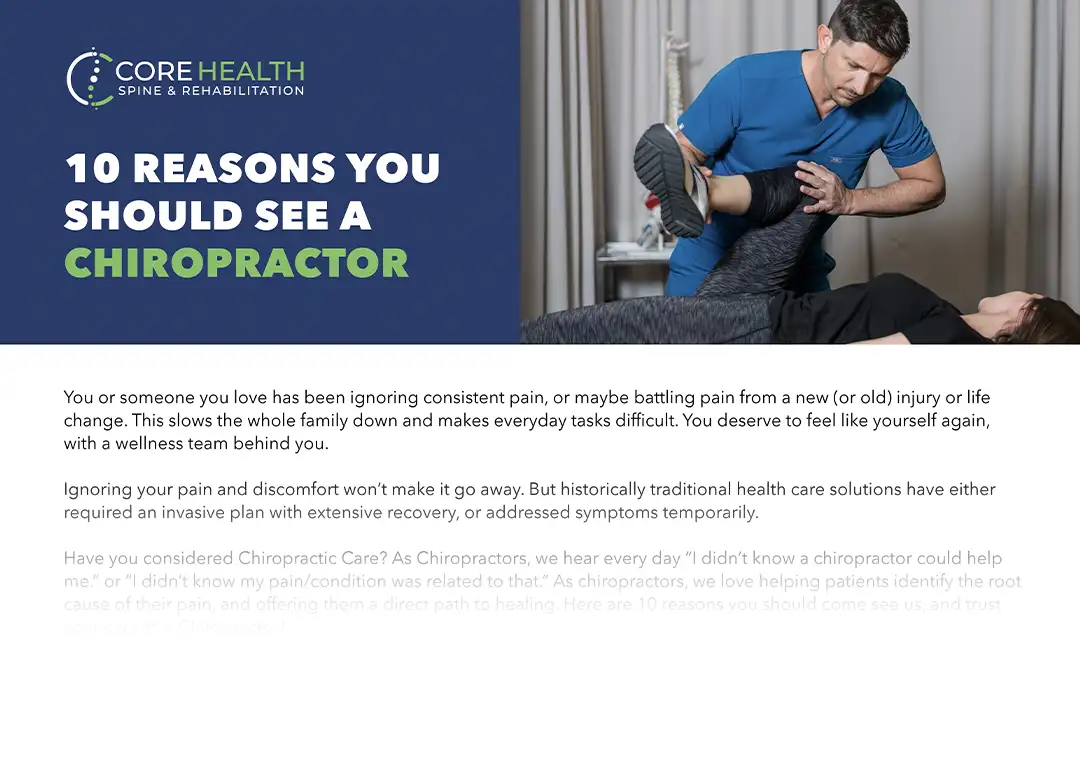
How Customized Exercise Plans Aid Recovery in Sports Medicine
You train hard and play harder, only for a sudden ankle roll, a lingering shoulder ache, or that nagging knee pain to change the narrative. Whether you're competing at a high level or just staying active on the weekends, sports injuries are frustrating setbacks, but they don't have to be permanent.
We've moved past outdated relief advice. Modern recovery strategies are proactive and grounded in modern sports medicine that prioritizes movement over stagnation. Athletes now lean on research-backed sports injury treatment habits for a fast and sustainable comeback.
In this blog, we'll explore new rehabilitation strategies, daily recovery habits that actually produce results, and recognize when to see a sports medicine doctor. This is your guide to a smarter, stronger return to the game.
Why Modern Sports Injury Treatment Matters for 2026
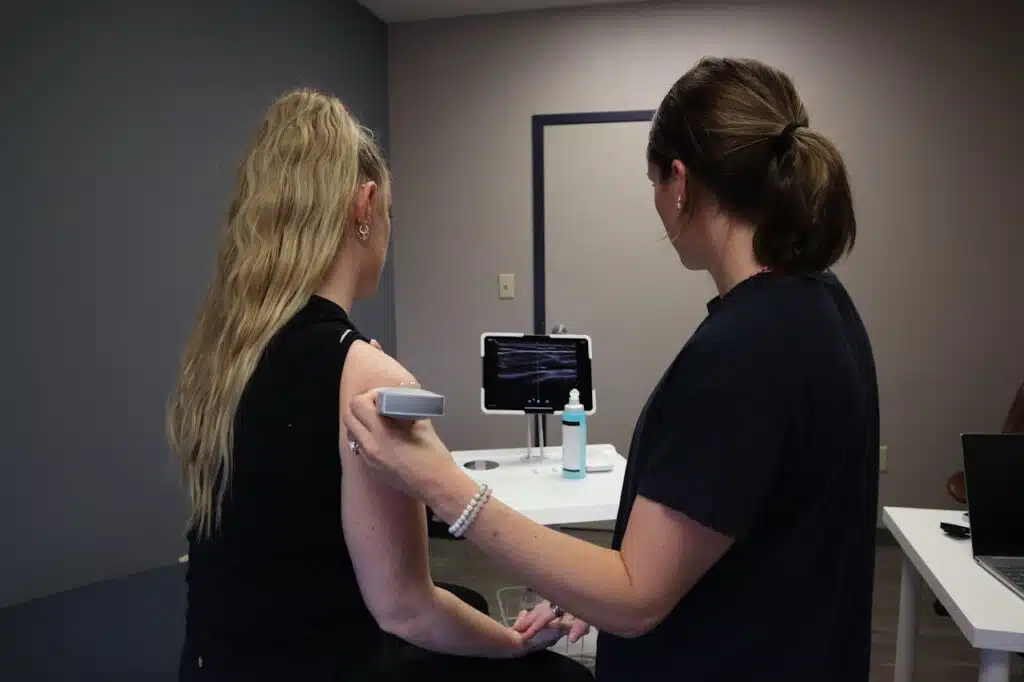
Sports medicine has evolved far beyond ice packs and ace wraps. Modern care is personalized, data-driven, and, most importantly, functional. That means you get treatments tailored to your sport, injury type, and goals you’re chasing, not a one-size-fits-all plan.
These innovations help accelerate healing while reducing the risk of reinjury. From mobility to mindset, recovery now encompasses every aspect of an athlete’s performance.
From Rest to Recovery Strategy
Recovery means more than simply taking time off; it's the body’s opportunity to repair, rebuild, and come back stronger than it was before the injury.
"Just rest it" may have been the standard advice in the past, but too much inactivity can actually stall the healing process. Today, sports injury recovery is built on structured movement.
Gradual loading, mobility work, and guided movement therapy help restore function without overstraining tissues. These injury recovery habits support your body’s healing while keeping your performance on track, so you don’t have to start from zero once you’re cleared.
Shift to Modern, Research-Supported Habits
Athletes have moved past the idea that recovery isn't passive. It’s an active process where smart, science-based habits make the difference, dictating the quality of the outcome.
Instead of just patching up an injury, doctor-backed recovery tips for athletes focus on functional restoration: correcting movement patterns, reducing compensations your body creates to shield an injury, and rebuilding strength from the ground up.
We’re also seeing a massive shift toward innovative methods like neuromuscular training, which improves your movement control and prevents reinjury, while regenerative therapies like Platelet-Rich Plasma (PRP) injections change the timeline for tissue repair. This holistic shift is transforming injury treatment in sports.
Embrace Structured Rehabilitation as a Core Habit
True recovery extends beyond downtime; it demands professionally guided, structured rehabilitation. This approach is essential for building long-term resilience, ensuring a successful return to physical activity.
The Role of Physical Rehabilitation in Healing
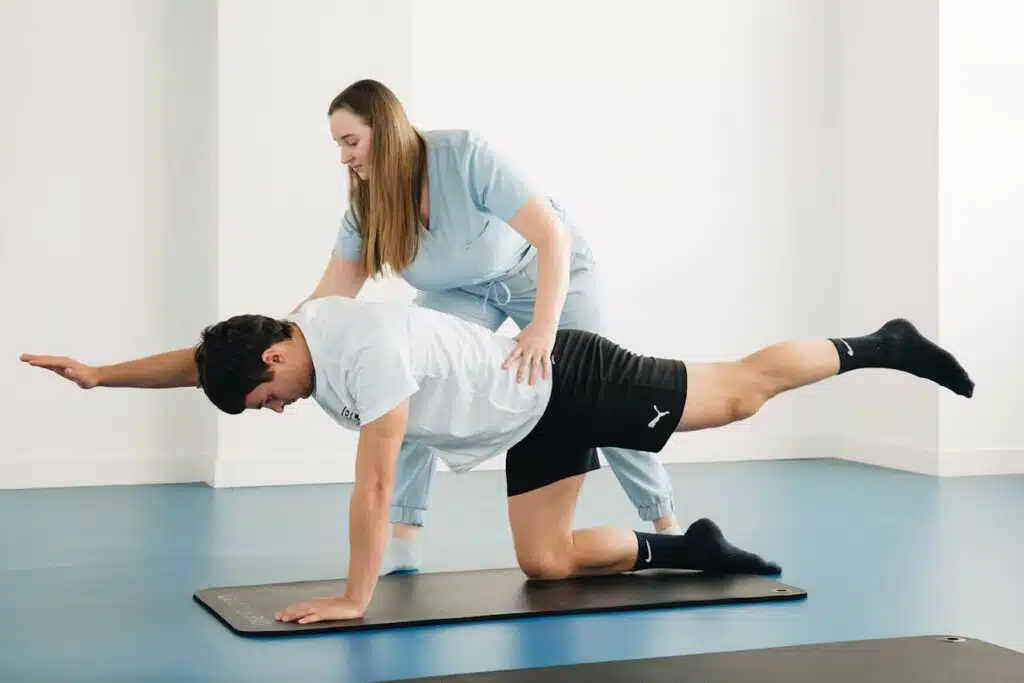
Physical rehabilitation for athletes is essential for a safe and complete return to sport. It’s a clinical process of restoring joint mobility, rebuilding muscle strength, and regaining neuromuscular control, all while helping you feel better.
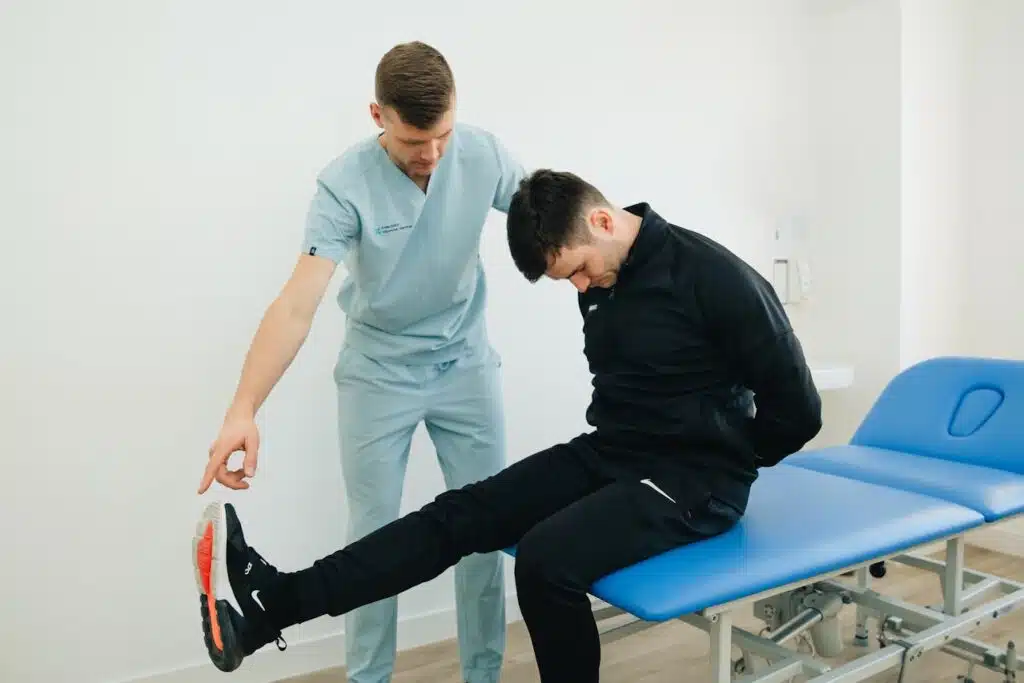
Often, athletes need a structured rehab program before resuming activity to minimize the risk of reinjury. Therapists may use movement screens and performance tests to track your actual progress, and this data takes the guesswork out of recovery to ensure you aren’t stepping back onto the field with hidden vulnerabilities.
A well-designed plan is built on three pillars:
- Managing pain
- Restoring range of motion
- Rebuilding strength
Depending on your specific injury, rehab may use targeted modalities like heat/cold therapy, ultrasound, aquatic therapy, or massage to support healing and relieve discomfort as you progress.
Personalized Exercise Prescriptions
Modern sports medicine strategies tailor rehab plans to match your specific injury and athletic goals. A generic protocol might get you walking again, but it won't necessarily get you back to game speed.
Whether you're recovering from an ACL tear or shoulder strain, a personalized plan focuses on mirroring sport movements required for your training or competition, which ensures a safer, smoother return to high-level activity and prevents reinjury.
Go Beyond “Ice and Rest”: Adopt Smart Recovery Habits
For years, RICE (Rest, Ice, Compression, Elevation) was the gold standard for treating everything from a rolled ankle to a pulled muscle. It has been used for managing musculoskeletal injuries, helping control pain, swelling, and bleeding in soft tissues.
However, experts now caution that excessive ice use may slow healing by suppressing the body’s natural inflammatory response, an important part of tissue repair. It’s great for comfort, but staying frozen for too long can actually act as a double-edged sword.
Today, recovery protocols are moving away from total immobilization and focusing more on active recovery, guided movement, and circulation-friendly strategies to support efficient healing.
Rest With Purpose (Active Rest)
Active rest is a key part of modern sports injury treatment habits, which involves low‑intensity movement such as walking, swimming, or cycling. These activities allow the body to stay active without placing excessive stress on injured tissues.
When you engage in light movement, blood flow increases and does two things: clearing metabolic waste from stressed muscles and tissues, and delivering oxygen and nutrients necessary for actual tissue repair.
Rethinking the RICE Protocol
Modern soft tissue recovery approaches take a holistic view, guiding care from the first hours through long‑term rehabilitation rather than just looking at the first 48 hours. This approach prioritizes patient education and gradual loading, while also being more cautious about using anti-inflammatory medications that can disrupt the signals your body needs to rebuild tissue properly.
To simplify this for athletes, providers often use the dual framework of PEACE and LOVE.
- PEACE: Protect the injury, elevate the area, avoid anti-inflammatory modalities, apply compression, and educate the patient.
- LOVE: Introduce gradual loading, maintain optimism, promote vascularization, and progress with exercise.
Integrate Strength, Flexibility, and Functional Movement
Recovery doesn’t end when pain stops. That’s just the starting line for the real work: integrating strength, flexibility, and movement to rebuild performance back to 100%.
Strength and Neuromuscular Training

Strength and neuromuscular training involve exercises to improve balance, coordination, reaction time, and strength. Programs typically include bodyweight, resistance, agility, and proprioceptive exercises like single-leg stands or stability ball work.
This training enhances joint stability and helps re-establish correct movement patterns post-injury. Additionally, it is crucial to lower the chance of reinjury by increasing control during sports activities.
Dynamic Warm-Ups Over Static Stretching
Dynamic warm-ups involve active, controlled movements that mimic sport-specific motions such as leg swings, arm circles, high knees, and lunges. These exercises gradually raise your heart rate, warm up muscles, and prime joints for activity.
Compared to static stretching, dynamic warm-ups are more effective at preparing the body for performance. They improve mobility, increase muscle activation, and help reduce the risk of sports-related injuries.
Track Your Progress With Smart Metrics and Wearables
Technology now plays a key role in athletic injury recovery. Wearable devices like smartwatches, GPS trackers, and motion sensors collect real-time data on heart rate variability, movement symmetry, load volume, and joint motion.
This technology improves athlete monitoring by identifying movement patterns, fatigue levels, and potential injury risks. By turning those insights into actionable data, providers can design sport-specific training programs, optimize performance, and detect issues early—supporting safer, more efficient recovery.
Make Prevention a Daily Habit, Not an Afterthought
The most effective way to manage injuries is to prevent them from happening in the first place. This year, injury prevention is no longer optional; it’s a core part of every athlete’s treatment and performance plan. Here’s how it’s done.
Warm-Ups, Technique, and Equipment
Injury prevention comes down to how you prepare. A dynamic warm-up increases circulation, activates key muscles, and prepares your body for sport-specific demands.
Whether it’s ensuring your shoes have the right support or refining your lifting mechanics, these details reduce unnecessary strain and prevent wear-and-tear from becoming a clinical issue.
Load Management to Prevent Overuse
Most injuries result from poor load management. Balancing your training intensity and volume with your body's recovery capacity helps prevent breakdowns. It involves tracking how much stress you're putting on your system and knowing when to pull back.
By pacing your progression and allowing time for recovery, you stay ahead of those frustrating overuse injuries like tendinitis, stress fractures, or joint inflammation that can sideline you for months.
Family Chiropractic for Lifelong Injury Prevention
Chiropractic care maintains the structural integrity of your body across all life stages. Regular adjustments to your spine optimize alignment and movement patterns, which are especially vital for athletes. This makes chiropractic care complementary to injury rehabilitation.
By correcting small imbalances before they become chronic strain, family chiropractic care helps you stay mobile and resilient, supporting an active lifestyle from youth sports to adulthood.
When to See a Sports Medicine Specialist
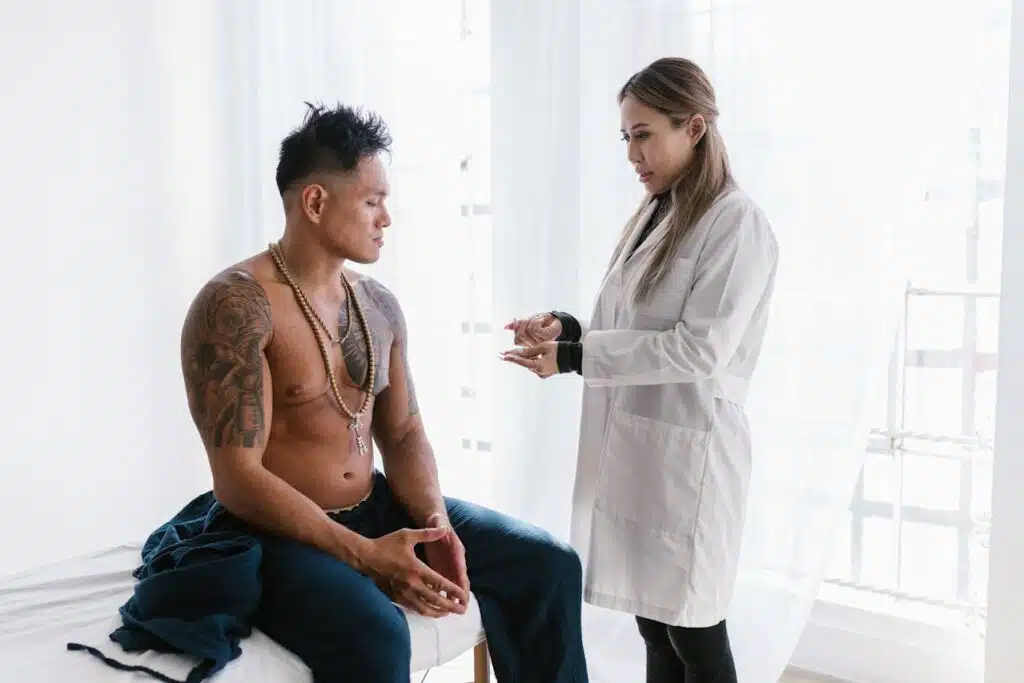
Self-care is great, but as practitioners, we want you to know the red flags that warrant a higher level of intervention. Watch out for the following signs:
- Severe pain or swelling
- Joint instability
- Limited range of motion
- Recurring or worsening injuries
If you notice these, it’s time to consult a specialist. Here in The Woodlands, our sports medicine doctor works to assess and diagnose issues early so we can tailor a plan that protects your safety and performance in the long term. Understanding when to escalate your care is often the difference between a swift recovery and a permanent limitation.
FAQ About Sports Injury Treatment
Build Smarter Sports Injury Treatment Habits for a Stronger 2026
Every setback is an opportunity for a stronger comeback. This year, let’s move toward smarter sports injury treatment habits. By embracing structured rehab, purposeful rest, functional movement, and proactive prevention, you give your body every advantage to heal, rebuild, and perform at its best.
If you're managing a nagging injury or just looking to optimize your movements, our team at Core Health Spine & Rehabilitation is ready to support you. We offer targeted care, personalized rehabilitation plans, and modern guidance to help you return to the sport you love stronger than ever. Schedule your consultation today.