13 Effective Treatment Options for Sciatica Pain Relief
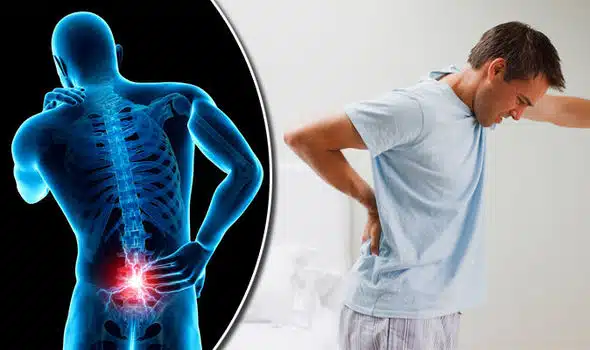
When sharp pain shoots through your lower back and leaves your leg feeling weak or numb, it’s already more than just an everyday ache. You’re experiencing the reality of sciatica, a condition that affects nearly 40% of adults and can quickly make sitting, walking, or even sleeping feel unbearable.
The key is to address the irritation now, before your body starts adapting in unhealthy ways that can lead to chronic weakness.
The good news is that the vast majority of cases respond to the right clinical approach, and there are several proven treatment options for sciatica pain relief that can help you reclaim your mobility and get back to your routine without the constant flare of nerve pain.
What Is Sciatica?
Sciatica occurs when the sciatic nerve, which runs from the lower back down each leg, becomes irritated or injured. Usually, this happens when the nerve is pinched or compressed by common spinal changes.
Several spine problems can cause sciatica, including:

- Disc Issues: A herniated or bulging disc shifting out of its protective space.
- Spinal Changes: Narrowing of the spinal canal (stenosis) or general wear and tear over time.
- Physical Pressure: Tight muscles (like the piriformis) or the natural structural shifts that occur during pregnancy.
The symptoms are as unique as the cause. They can range from a minor annoyance to a severe disruption of your day, often appearing as:
- A dull ache, sharp electric pull, or persistent tingling
- Numbness or muscle weakness
- Pain that intensifies when you sneeze, cough, or sit for long periods
While rare, a sudden loss of bladder or bowel control can be a sign of a more serious nerve compression that requires urgent medical attention.
Even if your symptoms are mild, getting help early is important. It can prevent more damage to your sciatic nerve and help you recover faster.
Nonsurgical Sciatica Treatments
Your healthcare provider will usually start with conservative therapies, exercises, and medication to help your body heal and relieve sciatica pain.
Chiropractic Care
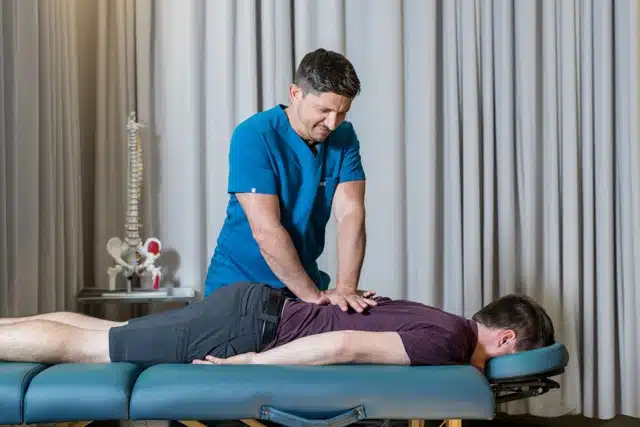
Gentle spinal adjustments may help reduce misalignments that contribute to sciatic nerve irritation. By supporting spinal alignment, this approach can ease pain, improve posture, and enhance mobility in the lower back.
Physical Rehabilitation
A tailored rehabilitation treatment plan for sciatica goes beyond general exercises to support your torso, especially your back. These strengthening routines create a steady base for your spine, which helps ease current pressure and prevent the recurrence of sciatica flare-ups.
Pain Management
Comprehensive pain management for sciatica encompasses various therapies, exercises, and techniques to reduce nerve sensitivity and reduce inflammation. This technique focuses on reducing pain and improving mobility, allowing you to regain function without the risks or downtime of surgery.
Spinal Decompression
For those struggling with herniated or bulging discs, spinal decompression offers a noninvasive way to create space. By gently stretching the spine, this therapy reduces pressure on the discs and nerves, creating more room for healing and easing discomfort.
Massage Therapy
Massage therapy disrupts the pattern of muscular guarding in the lower back, hips, and glutes. By increasing localized blood flow and releasing deep-seated tension, massage reduces muscle tightness that may aggravate sciatic discomfort.
Dry Needling
Dry needling involves the precise insertion of sterile needles into trigger points or knots that refer pain down the leg. This helps the muscle relax, improves blood flow, and reduces tension or inflammation that can cause sciatica.
Heat and Cold Therapy
Strategic temperature therapy is a good self-regulation tool. Using cold therapy during acute flare-ups rapidly numbs the area and controls swelling. Meanwhile, heat therapy helps when the initial sharpness subsides and relaxes tight muscles, making recovery faster and more comfortable.
Sciatica Medications
Over-the-counter anti-inflammatory medicines can reduce inflammation and ease sciatica-related discomfort. If muscle spasms are more severe, your doctor may prescribe muscle relaxants to improve comfort and help you participate more effectively in physical rehabilitation.
Surgical Treatments for Sciatica: When Conservative Care Isn't Enough
When noninvasive sciatica treatment options don’t provide sufficient relief, or if there is a risk of long-term nerve damage, surgical options may be discussed to relieve pressure and support nerve health.
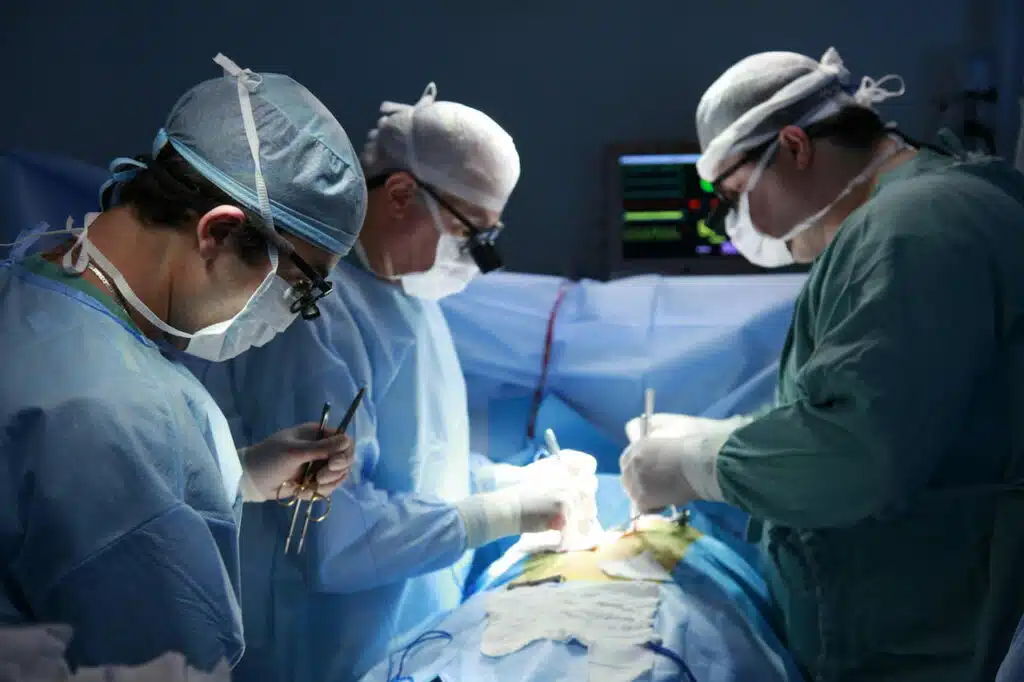
- Microdiscectomy: Removes the specific portion of a herniated or bulging disc pressing on the nerve root. This relieves the direct pressure responsible for leg pain and numbness.
- Laminectomy: Removes a small piece of the bony arch (the lamina) to create more space in the spinal canal. It’s a standard treatment for spinal stenosis where narrowed passages irritate the nerve roots.
- Laminotomy: A targeted approach where only a small portion of the lamina is removed to relieve compression. This technique preserves more natural bone structure, which can support a shorter recovery period.
- Spinal Fusion: Joins two or more vertebrae into a single unit using bone grafts or metal parts for stabilization. By reducing excessive movement, this procedure helps ease chronic pressure on the sciatic nerve.
- Foraminotomy: Widens the openings in the spine where nerves exit to clear space restricted by bone spurs or discs. This provides the nerve the room it needs to function properly without constant irritation.
If you’re looking for nonsurgical solutions, our approach uses chiropractic care and targeted soft tissue therapy to stop pain and restore your mobility. The most important step is getting a professional evaluation so we can build a recovery plan that actually works for your specific needs and goals.
Factors to Consider When Choosing the Right Sciatica Pain Treatment Plan
A professional evaluation is a prerequisite for recovery because sciatica is a symptom, not a single diagnosis. Your provider will analyze several factors to ensure your sciatica nerve pain treatment plan is both safe and effective.

- Underlying Causes: Whether it’s a disc herniation, spinal stenosis, or piriformis syndrome, identifying the root cause determines if your care should focus on decompression, manual adjustment, or soft tissue rehabilitation.
- Spinal Health: Your activity level and spinal stability determine how much load your back can safely handle, ensuring prescribed solutions are effective without causing further irritation.
- Symptom Severity: Your practitioner will assess the intensity and progression of your symptoms to determine whether a noninvasive approach is sufficient or if more intensive solutions are necessary.
By balancing these factors, your practitioner can tailor your treatment to your individual recovery objectives, going beyond short-term relief to achieve lasting spinal stability.
Say Goodbye to Sciatica and Reclaim Your Mobility
The good news is that for the vast majority of patients, nonsurgical treatment options for sciatica pain relief are highly effective. By tracking your symptoms and seeking a professional evaluation sooner rather than later, you can resolve the underlying issue before it becomes a chronic concern.
At Core Health Spine & Rehabilitation, we tailor our treatments to fit your specific recovery needs and goals. Our providers offer trusted chiropractic care, physical rehab, and targeted sciatica treatments in The Woodlands designed to restore your comfort and future spinal health.
Book your appointment with us today!childcare while reducing the risk of fatigue or injury caused by improper posture or movement patterns.