Sports Medicine in The Woodlands for Runners
As a runner, you know very well the frustration of having a persistent ache in your hips, knees, shins, or feet that affects your performance and goals. The good news is you don’t have to guess your way through recovery.
Core Family Health & Wellness offers comprehensive sports medicine in The Woodlands, TX, to help you recover from most injuries and become a better runner. Our goal is to address the root cause of your pain, bolster your performance, and, in effect, empower you to make the most of every mile you run.
Is Knee Pain Stopping You Mid-Run? Here’s What’s Actually Happening
Knee pain rarely happens out of the blue. More often than not, it stems from small issues that compound over time until your body sustains an injury that forces you to stop running.
Understanding the causes of your injuries is crucial to ensuring you receive appropriate knee pain treatment for running and, at the same time, prevent your condition from returning. Possible causes include:
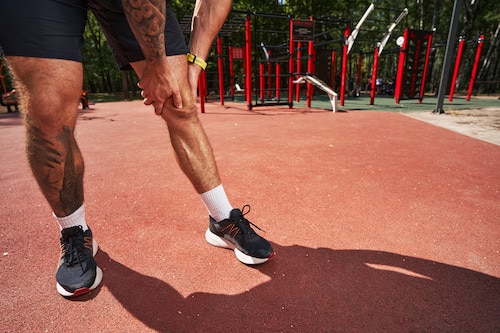
- Tight Muscles: Tight quadriceps, hamstrings, hip flexors, and calves pull unevenly on your knees, causing painful friction within the joint.
- Poor Running Form: Overstriding and having improper foot strike, though subtle, places excessive stress on your knees, which wears them down over time.
- Rapid Mileage Increase: Increasing your weekly mileage too fast doesn’t give your body enough time to adapt, overloading your knees and the tissues around them.
- Repetitive Strain: Running is a repetitive activity. Without proper recovery, even minor stress can accumulate and gradually irritate your knees and surrounding tissues.
- Foot Issues: Flat feet, high arches, and improper footwear disrupt your feet’s alignment and reduce their support, so your knees absorb the extra strain
Common Running Injuries We Treat at Core Family Health & Wellness
Each injury requires a targeted treatment to make recovery efficient and effective. At Core Family Health & Wellness, our treatment for running injury starts with identifying the root cause of your condition so we can treat it properly. Some of the running injuries and conditions we address include:
- Patellofemoral Pain Syndrome (PFPS): Also called “runner’s knee,” PFPS causes dull, aching pain inside of your patella (kneecap) due to muscle imbalances and overuse.
- Iliotibial (IT) Band Syndrome: This condition occurs when the thick tendon running along the outside of your thigh becomes tight or inflamed as it rubs against your hip or knee bones.
- Shin Splints: Overuse, poor running form, and sudden increases in training intensity cause repetitive stress on your tibia (shin bone) and surrounding tissues, leading to tenderness and pain.
- Plantar Fasciitis: Microtears in your plantar fascia—the connective tissue running along the bottom of your feet—due to rapid mileage increases and worn-out shoes can cause sharp pain around your heels.
- Stress Fractures: Unlike acute fractures, stress fractures are microscopic tears or cracks in your bones that develop gradually and are typically caused by overtraining and poor recovery strategies.
Why Runners in The Woodlands Are Especially Susceptible

Running in The Woodlands, particularly around George Mitchell Nature Preserve, provides access to scenic routes. However, it also poses challenges that increase your risk of injury.
Uneven trail surfaces are a common problem because they place additional stress on joints and muscles, especially if you’re used to running on flat ground. Combined with the region’s intense heat and high humidity, which accelerate fatigue, your recovery could be delayed.
These factors make it crucial to seek physical rehab for sports injuries in The Woodlands. Instead of waiting for your pain to pass or worsen, reach out to Core Family Health & Wellness to address your condition and hit the ground running when you recover.
What Our Sports Medicine Looks Like
Core Family Health & Wellness uses a multi-modal approach to sports medicine for the locals and residents of The Woodlands. We address the root cause of pain while optimizing your running performance. Let’s go over the treatment options our providers offer for runners like you.
Chiropractic Adjustments
Although you mostly use your legs, running is a full-body activity. It means even small imbalances can affect your stride. For instance, if your spine is misaligned, your gait suffers, placing uneven stress on your knees, ankles, and feet.
Chiropractic adjustments restore these alignments, allowing your body to move more naturally and efficiently. This translates to a more balanced stride and, as a result, reduced stress on the joints, allowing your body to recover while also preventing recurring injuries.
Physical Rehabilitation
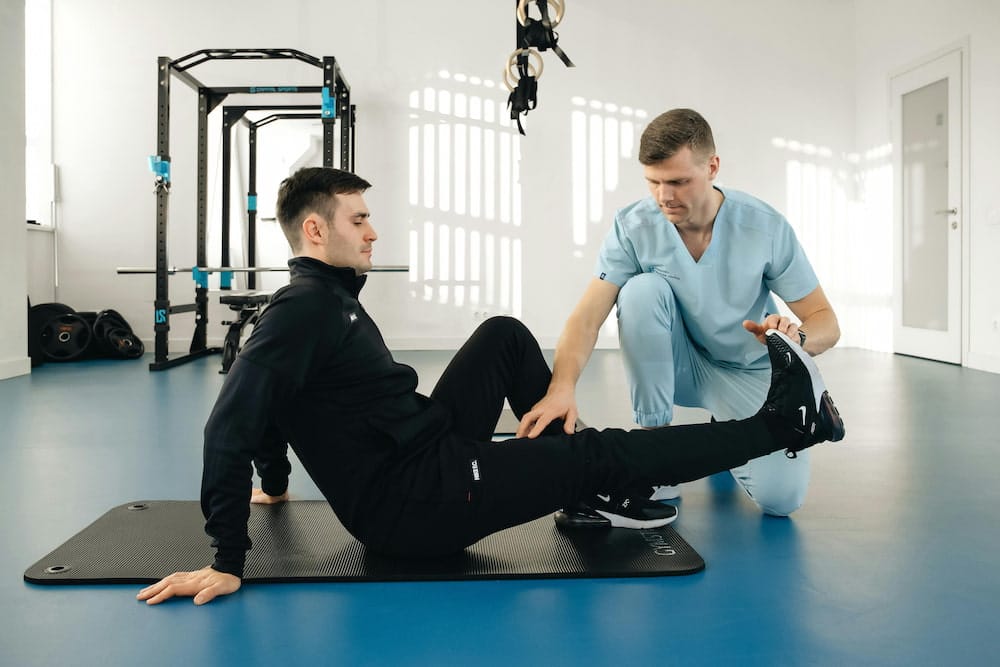
While recovery is crucial, rebuilding strength and improving your running movement patterns are what keep injuries from coming back. In fact, a recent study found that treatment plans that include physical rehab enabled 63.89% of athletes to return to their sport, with more experiencing less pain (86.11%) and better range of motion (80.09%).
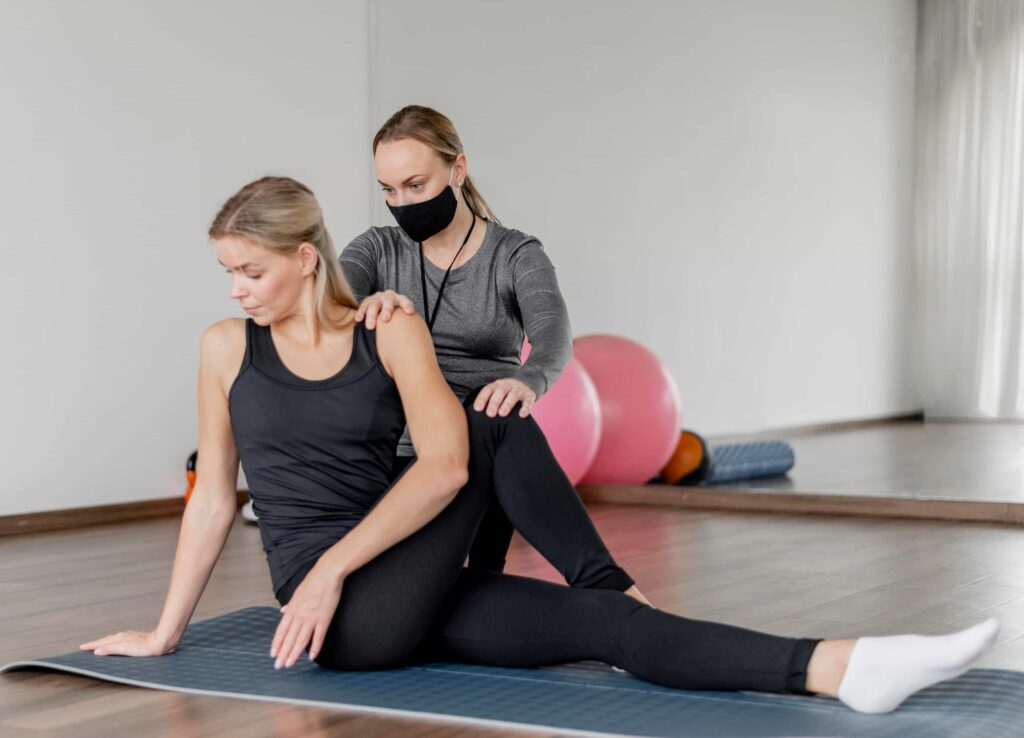
Physical rehabilitation for runners includes strength training to support your hips and core, as well as mobility work to restore your muscles’ range of motion. Our providers personalize rehab programs to your specific needs, ensuring you can return to running stronger and more resilient than before.
Injury Recovery for Runners: What a Full Treatment Plan Looks Like
Recovery from a running injury requires a structured process to ensure your optimal recovery and that you come out of the other end stronger and more resilient. Here’s how our treatment usually goes at Core Family Health & Wellness:
- Initial Consultation: We’ll discuss your medical history, symptoms, and how they’ve been affecting your running for an initial insight into your condition.
- Physical Examination: Our care providers will thoroughly assess your posture, mobility, and movement patterns to identify any misalignments or compensatory patterns contributing to your injury.
- Treatment: Using their findings, our care providers will develop a comprehensive treatment plan to relieve your pain, address its underlying causes, and improve your running performance.
- Progress Tracking: Our team will continuously monitor your progress and adjust your treatments as needed to ensure a safe and efficient recovery with a lower risk of reinjury.
Training at George Mitchell Nature Preserve: Injury Prevention Tips
Are you planning a trail run through George Mitchell Nature Preserve? If so, consider following these tips to beat the terrain and avoid injury.
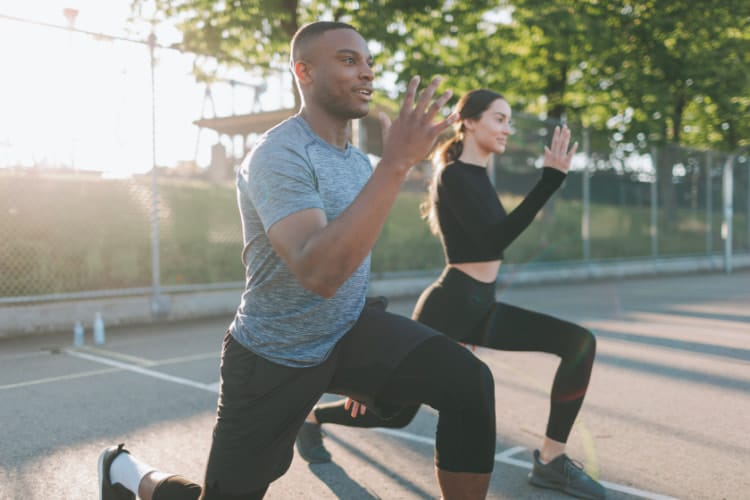
- Warm up with dynamic movements like leg swings and lunges before hitting the trail to prepare your joints.
- Choose the right footwear, ideally trail running shoes with good traction, to help you navigate uneven terrain safely.
- Stay hydrated before, during, and after your run to avoid dehydration and premature fatigue in the Texas heat.
- Shorten your stride on uneven terrain to maintain your balance and reduce the trail’s impact on your joints.
- Listen to your body’s warning signals, such as tightness and fatigue, and seek care when needed to prevent small issues from becoming more concerning injuries.
When to See a Sports Medicine Provider
While minor soreness during or after a run is normal, persistent symptoms indicate that something deeper needs professional attention. These include:
- Pain that lasts for at least three days without improvement
- Swelling around a joint or injury
- Feeling unstable or weak while running
- Limited range of motion
If you’re experiencing any of these symptoms, don’t wait it out. Reach out to Core Family Health & Wellness for early intervention to shorten your recovery time and prevent more serious complications.
How Core Family Health & Wellness’s Integrated Approach Speeds Up Your Recovery
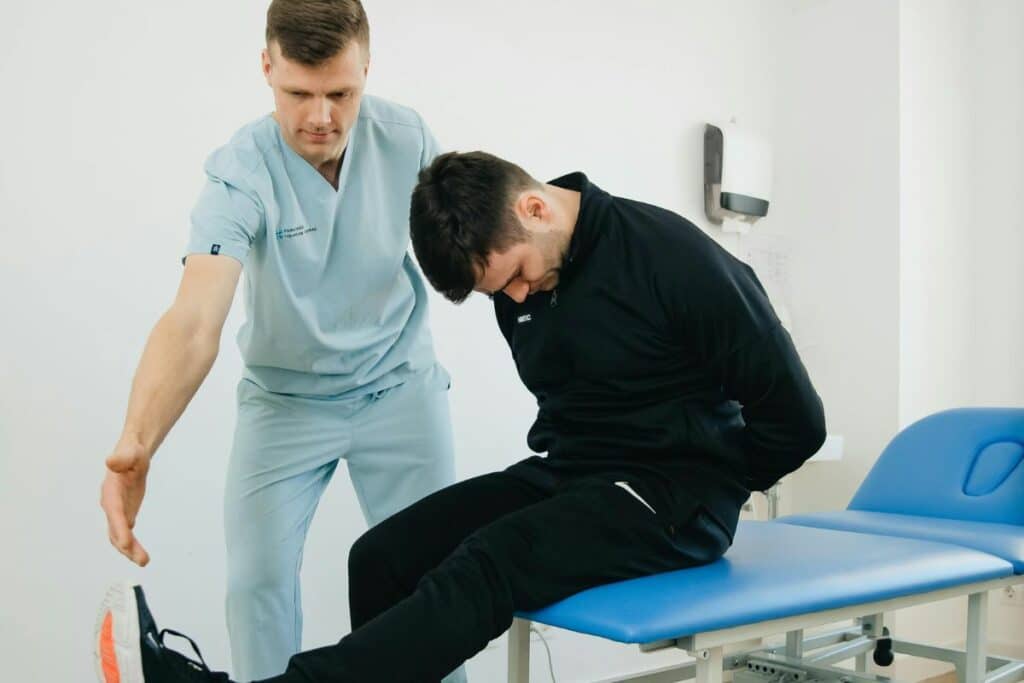
Many clinics focus on a single discipline, such as rehabilitation. What sets Core Family Health & Wellness apart is our commitment to holistic care. Our providers restore alignment and restore your movement patterns to address every aspect of your injury, leaving no symptom or injury untreated.
Equally important is our focus on prevention. We help you understand your body and equip you with the tools to continue progressing as a runner and avoid future injuries. In turn, you can return to the track, road, or trail with greater confidence than ever.
Recovering From an Auto Accident? We Treat That, Too
If you’ve been in a car accident, the same forces that disrupt your running, such as strains and soft-tissue damage, also affect your body during a collision.
At Core Family Health & Wellness, we apply a similar integrated approach to auto accident recovery, using chiropractic care to restore alignment, physical rehab to build stability to reduce inflammation.
Get Back to Running Stronger in The Woodlands
The right sports medicine in The Woodlands not only helps you recover but also helps you become a stronger runner, ready to tackle every mile head-on. Don't wait for your injury to slow you down further. Core Family Health & Wellness offers same-week appointments to keep you confidently on your feet.
Ready to become a better athlete than before? Schedule a consultation today!