
Can a Chiropractor Stop Chronic Headaches? The Science of Spinal Alignment

You wake up with pressure behind your eyes that gets worse throughout the day. You’re reaching for pain relievers again, hoping their effects finally last. Instead, the cycle repeats tomorrow, next week, and next month.
Living on a timer between doses isn't sustainable when your career, family, and sanity are on the line. You need to break the cycle now. Chiropractic treatments for headaches recognize that chronic headaches often stem from structural imbalances in your neck and spine, not just your head.
Understanding this connection is your first step toward natural headache relief that lets you stop managing pain and finally regain control of your life.
The Root Cause: Why Your Spine Controls Your Head
Your head and spine are deeply connected through bone, muscle, and nerve, and this relationship is often where chronic headache pain originates.
The Connection Between the Cervical Spine and Nervous System
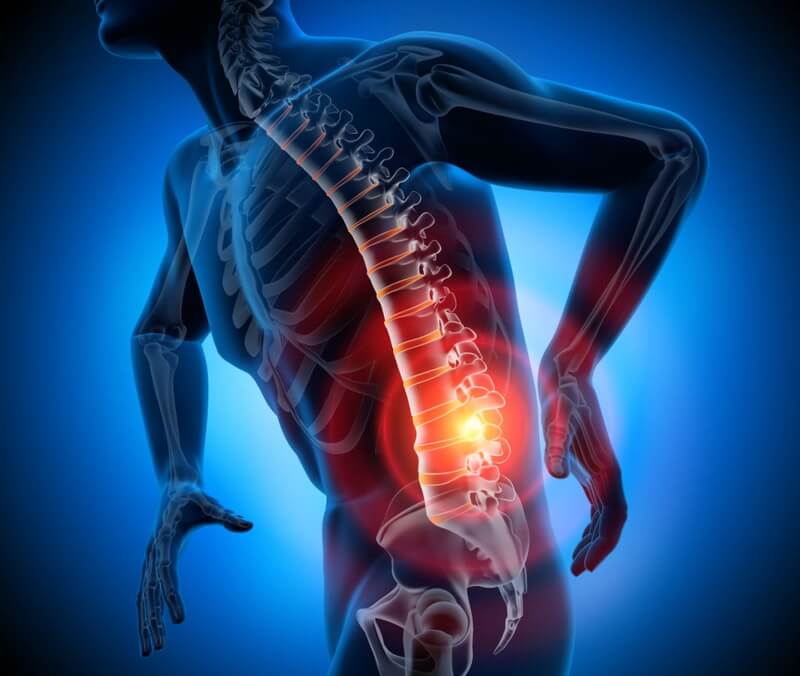
Your cervical spine (neck) houses eight pairs of spinal nerves (C1–C8) that carry signals between your brain, neck, shoulders, arms, and diaphragm. The upper cervical region lies close to the brainstem, and nerves here contribute to sensations in the scalp, face, and head.
A healthy cervical spine allows these signals to travel optimally. However, injuries such as strains, disc problems, or misalignments can irritate nearby nerves and tissues, producing pain, tingling, or weakness as the body’s response to disrupted nerve activity.
How Misalignments Affect Nerve Function
A cervical joint that loses its alignment places undue pressure on nearby nerves and soft tissue. This irritation may refer pain upward into the head, contributing to a cervicogenic headache, a condition estimated to affect 1–4% of the general population.
Why Headaches Often Start in Your Neck
The back of your skull and your upper neck share nerve pathways. As such, pain from injuries or dysfunction in the upper cervical spine can radiate across the scalp or behind the eyes, a hallmark of cervicogenic headache.
This pattern of referred pain is a key reason chiropractors examine the neck closely for misalignments and posture problems when a patient reports frequent headaches.
How Spinal Misalignment Triggers Headache Pain
To understand how chiropractic can address your condition, it helps to follow the mechanical chain of events that leads from a cervical injury to a headache.
The Connection Between Your Neck and Nervous System
Your cervical spine and nervous system are tightly linked, as your neck channels major nerves close to the joints and muscles that move your head. As such, compression or irritation of these nerves can disrupt communication, often leading to tension, inflammation, and pain.
What Happens When Your Cervical Spine Falls Out of Alignment
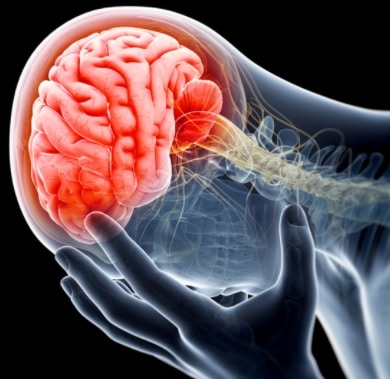
Several things can happen with a misaligned cervical spine:
- Joint movement becomes restricted
- Surrounding muscles work harder to stabilize the area
- Joints may become painful and inflamed
- Nearby nerves can be compressed or irritated
Each of these problems contributes to headache pain, with poor posture often being a key factor.
How Poor Posture and Stress Affect Spinal Alignment
A forward-head posture during long hours of desk work or repetitive strain from sports gradually shifts your cervical spine out of its optimal alignment. This problem can strain and irritate the surrounding structures in your cervical spine, which may trigger a headache.
Why Cervicogenic Headaches Often Mimic Migraines
Cervicogenic headaches sometimes resemble migraines, an overlap that shows up in some of their tell-tale symptoms:
- Pain radiating from the neck into the head
- Sensitivity to light and sound
- Stiff neck
- Vision problems
Because these symptoms of cervicogenic headaches mirror migraines, some patients and healthcare providers may overlook the underlying structural issues in the cervical spine, assuming the problem is purely neurological.
Migraines vs. Tension Headaches: What the Science Says
Not all headaches are equal, and being able to tell two of the most common types apart, migraines and tension headaches, is crucial for determining the right type of care.
What Is a Tension Headache?
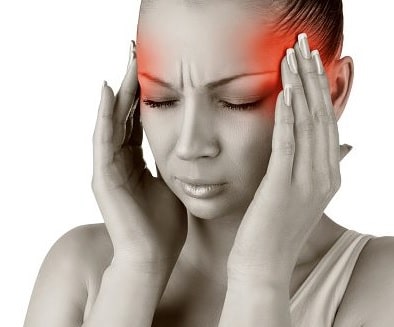
A tension headache feels like a band tightening around your skull. It primarily stems from tight or strained muscles in your neck, scalp, and shoulders that can refer pain to your head, which happens due to:
- Prolonged stress
- Neck strain
- Temporomandibular joint (TMJ) disorder
- Sleep disorders
- Anxiety and depression
It's the most common headache disorder, with lifetime prevalence estimates ranging up to 78% of the global population experiencing it at some point in their lives.
Understanding Migraine Symptoms and Neurological Triggers
A true, neurological migraine is complex. It involves symptoms like light sensitivity, nausea, and other signs that your nervous system is involved in its development, beyond muscle and joint mechanics and structure. This neurological component is why migraines often need more targeted management than tension-type headaches.
Can Neck Dysfunction Trigger Migraine-Like Symptoms?
Neck dysfunction typically compresses or irritates nearby nerves and triggers symptoms like headaches, stiff neck, and light sensitivity, which often overlap with those of migraines. In turn, the pain feels neurological even though the primary driver is mechanical.
Cervicogenic Headaches vs. Tension Headaches vs. Migraines
This table will help you differentiate the most common headache types at a glance.
| Feature | Cervicogenic Headache | Tension Headache | Migraine |
| Primary Location of Pain | Usually one‑sided, starting at the base of the skull and radiating forward; may occasionally affect both sides | Both sides of your head and typically feels like a tight band | One-sided, throbbing, or pulsating pain |
| Common Mechanical Triggers | Neck injury, poor posture, cervical misalignment | Stress, neck strain, anxiety, sleep disorders | Stress, physical strain, hormonal changes, sensory triggers |
| Associated Symptoms | Stiff neck, limited neck mobility, sometimes sensitivity to light/sound (less common than migraine) | Mild pressure around your head, tight shoulders, no nausea or aura | Nausea, vomiting, visual aura, sensitivity to light and sound |
| Typical Pattern | Steady pain, often worsens with neck movement or posture changes | Dull and gradual onset | Episodic and intense (lasting 4–72 hours) |
| Neck Involvement | Primary driver (originates from cervical spine structures) | Moderate; may involve neck/shoulder muscle tension, but not the root cause | Typically no direct neck origin, though neck stiffness can occur |
| Response to Spinal Adjustments | May respond if cervical dysfunction is addressed | Sometimes improves if muscular strain is relieved | Generally not responsive, unless a cervicogenic component coexists |
| Common Lifestyle Contributors | Desk work, forward head posture, whiplash | Stress, fatigue, poor sleep | Environmental factors, sensory triggers, and hormonal fluctuations |
Is a Spinal Adjustment for Migraines Effective? The Clinical Evidence

New research examining spinal adjustments for cervicogenic headaches has shown that some patients experienced improvements in pain intensity, frequency, and disability.
However, since a cervical component may or may not be present in a migraine, which is primarily neurological in nature, the answer to whether or not spinal adjustments can help is more nuanced than for cervicogenic headaches.
Ultimately, it’s best to view chiropractic treatments for headaches as a conservative, drug-free option that can help when your headaches stem from neck issues. It’s not a guaranteed fix for migraines, and results vary from patient to patient.
A thorough evaluation by a trained chiropractor is the only way to know whether your headaches fit this pattern and help you make an informed decision.
The Chiropractic Approach to Lasting Headache Relief
Lasting relief comes from addressing the underlying factors that keep your headaches returning, not just masking your pain in the moment. Let’s go over what chiropractic care can do for you.

Identifying the Source of Your Headaches
The foundation of your care comes from pinpointing the root causes of your pain. Treating the wrong target will only provide temporary relief, if at all. Chiropractic care cuts straight to the source, addressing cervical spine issues that may contribute to headaches, helping relieve tension and reduce the likelihood of them returning.
Correcting Spinal Misalignments Contributing to Headache Pain
Spinal adjustments aim to correct cervical misalignments that place undue pressure on surrounding nerves and tissues, contributing to pain, tension, and inflammation.
Reducing Muscle Tension and Stress on Your Nervous System
Releasing chronic muscle tension and relieving nerve irritation helps break the cycle that keeps triggering tension-type headaches.
Supporting Long-Term Relief Through Posture and Lifestyle Strategies
Posture improvements, at-home exercises, and smarter daily habits sustain your progress and reduce the chance of your headaches creeping back.
How Does a Chiropractor Support Drug-Free Relief for Chronic Headaches?
Chiropractic care for headaches integrates various drug-free headache remedies that work together to address the underlying cause of your symptoms.
Chiropractic Adjustments
A chiropractor will perform gentle, targeted adjustments to your cervical spine to ease pressure and irritation in the surrounding tissues and nerves and, in effect, support your body’s natural healing response for faster recovery.
Posture Correction Strategies
Your chiropractor will retrain how you hold your head and neck throughout the day, especially when moving or lifting heavy objects. This approach helps correct poor posture that can otherwise lead to chronic strain and headaches.
Soft Tissue Therapy
Your practitioner may also perform various manual techniques, such as massage therapies, to release tightness and restrictions in the muscles and fascia around your neck and shoulders. These soft-tissue problems often accompany chronic headaches, especially tension-type pain.
Lifestyle and Ergonomic Recommendations
Chiropractors will recommend improvements to your desk ergonomics, screen habits, and movement patterns to address the everyday factors that contribute to recurring headaches.
When to Seek Medical Evaluation for Headaches
A prompt assessment helps you rule out severe complications and begin your treatment as soon as possible. Seek medical evaluation if you begin to experience any of these symptoms:
- Sudden, severe headache
- New or sudden vision changes
- Weakness or numbness
- Dizziness, loss of balance, or confusion
- Headaches that follow trauma (such as a fall or accident)
- Persistent or worsening headache symptoms
What to Expect During a Chiropractic Headache Treatment
Walking into a clinic with clear expectations of what you’ll go through enables you to play a more active role in your recovery.
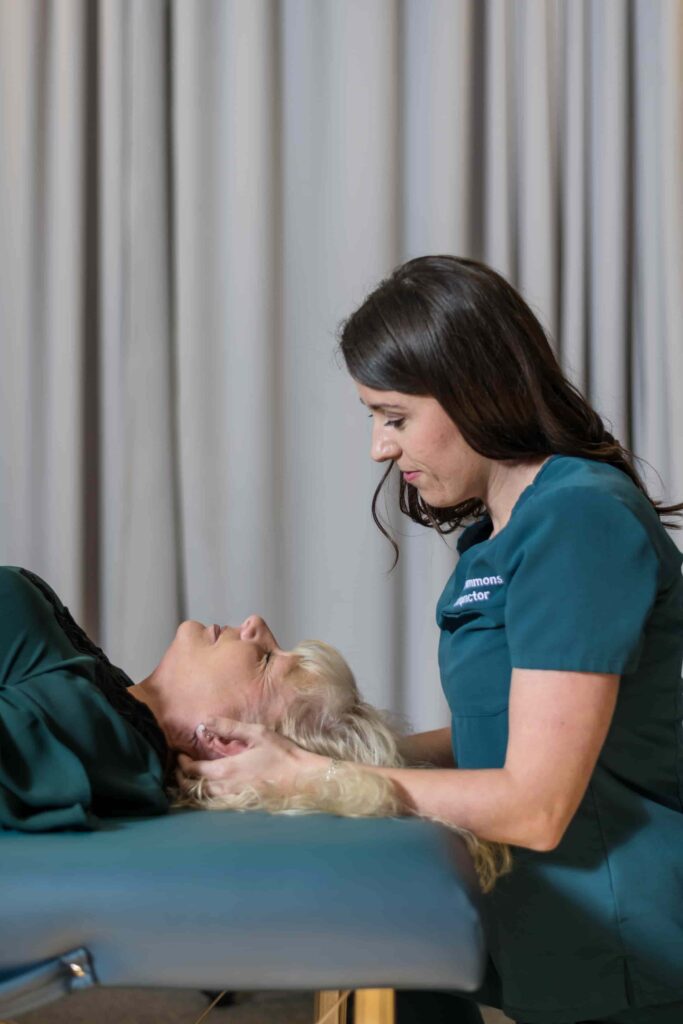
- Initial Assessment: Your first visit starts with a thorough evaluation of your medical history and symptoms to identify headache patterns and rule out serious concerns.
- Postural and Cervical Evaluation: Your provider examines your posture and cervical spine movement to pinpoint areas of mechanical stress or muscle tension.
- Gentle Adjustments: If suitable, your chiropractor will perform gentle, targeted adjustments to improve cervical spine alignment and reduce pressure on nearby nerves and tissues.
- Personalized Care Plan Development: Receive a tailored plan based on your findings, combining adjustments, soft tissue therapy, posture correction, and lifestyle strategies.
Frequently Asked Questions
How do chiropractors determine if my headaches are cervicogenic or something else?
Can stress-related headaches also be linked to spinal issues?
Can spinal adjustments still help if I’ve had headaches for years?
What should I avoid doing after a chiropractic adjustment for headaches?
How do I prevent headaches from coming back after treatment?
Ready for a Drug-Free Headache Remedy in The Woodlands?
If headaches keep interfering with your life, you don’t have to settle for temporary relief. Chiropractic care is a conservative, drug‑free option that can help address certain types of headaches and allow you to live your life confidently and pain-free.
Fortunately, you don’t have to look far for a trusted provider. Our team at Core Family Health & Wellness offers physical rehabilitation, massage therapy, and chiropractic treatment for headaches, among many others, to address the root cause of your pain, not just mask it.
Schedule a consultation with us to find out what’s causing your headaches and begin your care journey today!